


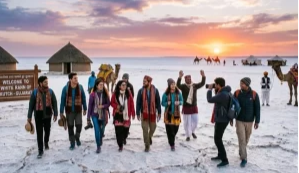

The packing question for a Kutch trip during the Rann Utsav season is genuinely more important than it is for most Indian travel destinations, because the temperature difference between a December afternoon in the sun on the white desert and a December midnight under the full moon on the same white desert can be fifteen to eighteen degrees Celsius. That is a range that requires actual planning rather than the vague “bring some layers” advice that most packing guides offer. Whether you are on a 2 day trip to kutch or a longer stay, getting the packing right means being comfortable in a desert environment that rewards the prepared visitor and quietly punishes the under-equipped one.
The Temperature Reality Month by Month
| Month | Day Temperature | Night Temperature | What It Means to Pack |
| November | 25–30°C | 15–20°C | Light layers for evenings; comfortable days |
| December | 20–25°C | 8–15°C | Genuine warm layers essential for night |
| January | 18–23°C | 5–10°C | Cold weather gear required for nights and dawn |
| February | 22–28°C | 12–18°C | Similar to November; warming through the month |
The Clothing System That Works: Layering for the Rann
The most practical approach to packing for Rann Utsav 2026 and Kutch’s day-to-night range is a proper layering system, not one thick jacket, but a set of layers that can be added and removed as the temperature changes through the day.
The Base Layer
A moisture-wicking thermal base layer worn against the skin manages sweat during active afternoon exploration and provides the insulation foundation for cold evenings. Merino wool is ideal, it regulates temperature in both warm and cold conditions. Synthetic moisture-wicking alternatives are also effective and typically more affordable.
The Mid Layer
A fleece or light down jacket is the workhorse of Kutch packing. This is what you will be wearing over your base layer during the cooler afternoon hours, adding over your daywear as the sun begins to set, and keeping on all evening at the cultural programme. Fleece is sufficient for November and February. Down is advisable for December and January.
The Outer Layer
A windproof and light rain-resistant outer shell makes the significant difference between a comfortable evening on the salt desert and an uncomfortable one. The Rann is open and exposed to wind, and a cold desert wind at night with no windbreaker is a memorable experience for the wrong reasons. The outer layer does not need to be a heavy winter coat, a good windproof shell worn over the fleece is entirely adequate.
The Footwear Situation
This is the packing detail that most people get wrong on their first Kutch trip.
For the salt desert: The salt crust is uneven, sometimes sharp, and varies between firm and slightly soft in different areas. Closed-toe shoes are strongly recommended, trainers or walking shoes with reasonable sole thickness. Sandals or open footwear on the salt desert is genuinely uncomfortable and potentially causes small cuts on feet.
For the cultural programme and village visits: Comfortable walking shoes suitable for uneven village paths and packed earth.
One pair that does both: A good pair of trail running shoes or light walking shoes is the most practical single footwear choice for a 2 day trip to Kutch, comfortable for village walking, adequate for the salt desert, and versatile enough for the cultural evening.
The Essentials Packing List
Non-Negotiable Items
- Sunscreen SPF 50+: the salt desert reflects sunlight significantly, increasing UV exposure
- Sunglasses: polarised lenses are particularly good for the reflective salt surface
- Lip balm: the desert air causes lip chapping rapidly
- Reusable water bottle: stay hydrated; the dry air and physical activity together increase fluid requirements
- Small torch or head torch: festival grounds paths at night are not always well-lit
- Portable power bank: phone battery drains faster in cold conditions
Photography-Specific Packing
If you are bringing camera equipment:
- Extra batteries: cold temperatures reduce battery life significantly. Bring more than you think you need and keep them warm in an inner pocket
- Lens cloth: dust on the salt desert is real and consistent
- Remote shutter release: for the long exposure and full moon shots that the Rann deserves
- Extra memory: you will use more than you expect
What to Buy in Kutch Rather Than Pack
Some things are better purchased in Kutch than packed from home, both for the reduced luggage burden and because buying them locally supports the artisan economy:
Stoles and shawls: the wool and cotton stoles available at the Rann Utsav craft market are warm, beautiful, and far more authentic souvenirs than anything you would have brought from home. Buy one early in your visit and wear it for the rest of the trip.
Kutchi embroidered bag: a small embroidered bag or tote from the craft market is more practical than bringing an extra bag for your purchases.
The Overnight Bag for the Salt Desert
For the full moon night or dawn Rann visit, a small day pack with:
- Warm layers you can add as temperature drops
- Water
- Torch
- Camera
- A lightweight thermos of tea or coffee if you can arrange it at the accommodation
The Rann Utsav 2026 Packing Mindset
The best packing for a Rann Utsav trip, whether a 2 day trip to Kutch or a longer stay, is deliberate packing that accounts for the specific conditions of a desert environment in Indian winter rather than generic warm-climate travel assumptions. The traveller who arrives with proper layers, closed footwear, sun protection, and extra camera batteries is the traveller who is fully present on the white desert at midnight under a full moon, comfortable and unbothered rather than cold and distracted.
Conclusion
Kutch’s extraordinary day-to-night temperature range is one of the defining characteristics of the winter festival experience, and packing correctly for it is the preparation that makes the difference between an experience you were fully present for and one you were managing around physical discomfort. Rann of Kutch Festival provides travellers with detailed pre-trip guidance, including packing advice specific to the month of travel, ensuring that every visitor to the Rann Utsav season arrives prepared to fully experience one of India’s most remarkable travel destinations.