



In an era of increasingly sophisticated corrosion monitoring technologies, electrical resistance probes, electrochemical noise monitoring, ultrasonic thickness measurement, and online corrosion rate sensors, the humble corrosion coupon might seem like a relic of an earlier age. It is not. The corrosion coupon remains the most trusted baseline method for quantifying metal loss in process pipelines, vessels, and storage systems, and it continues to feature in virtually every serious asset integrity management program in the oil and gas, water treatment, chemical, and power generation industries. Understanding why this is the case clarifies the role of this deceptively simple technology in modern asset management.
What a Corrosion Coupon Is and How It Works
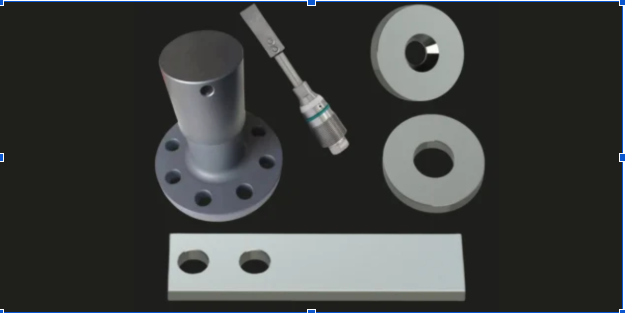
A corrosion coupon is a precisely weighed, dimensionally characterised strip or disc of metal, typically matching the metallurgy of the pipeline or vessel it is monitoring, that is exposed to the process fluid for a defined period and then retrieved, cleaned, and reweighed.
The weight loss observed over the exposure period, combined with knowledge of the coupon dimensions and exposure time, allows the corrosion rate to be calculated in millimetres per year or mils per year, the standard expressions used in corrosion engineering.
The corrosion coupon also provides a physical specimen that can be examined for the following:
- Corrosion morphology: uniform, pitting, crevice, galvanic
- Deposit analysis: scale, biofilm, or sediment that may be influencing the corrosion mechanism
- Comparison with analytical predictions from corrosion modelling software
Why Corrosion Coupons Are Irreplaceable as a Baseline Technology
Direct, Absolute Measurement of Metal Loss
Other corrosion monitoring technologies provide continuous or real-time data, but they all require calibration assumptions and correction factors. The corrosion coupon is the only technology that provides a direct, absolute measurement of actual metal loss, because the measurement is the weight lost by the coupon itself, not an inferred parameter.
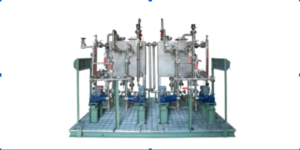
This makes corrosion coupon data the calibration reference against which other monitoring methods are validated. A chemical dosing pump system delivering corrosion inhibitor may be assessed for effectiveness by comparing coupon weight loss data from inhibited and uninhibited exposure periods.
Metallurgical Compatibility With the Asset
Because the corrosion coupon is manufactured from the same alloy as the pipeline or vessel being monitored, it responds to the corrosive environment in the same way as the asset itself. This cannot be said of all monitoring technologies, some of which use standard probe materials that may not accurately represent the corrosion behaviour of an exotic alloy pipeline.
How Corrosion Coupon Data Informs Chemical Treatment Programmes
In chemical treatment programmes for water systems, produced water injection, cooling water, and oil and gas gathering systems, corrosion coupons provide the quantitative feedback that validates whether the treatment chemistry is working as intended.
| Treatment Chemistry | Corrosion Coupon Role |
| Corrosion inhibitor dosing | Validates inhibitor effectiveness; guides dosage optimisation |
| Scale inhibitor programmes | Detects under-deposit corrosion if scale control fails |
| Biocide treatment | Identifies microbiologically influenced corrosion if biofilm persists |
| Oxygen scavenger dosing | Validates oxygen removal; detects localised oxygen corrosion |
Without corrosion coupon data, chemical treatment programmes are operating blind — applying chemicals at a fixed dose without quantitative verification that the protection being paid for is actually being achieved.
Practical Aspects of a Corrosion Coupon Programme
Coupon Installation and Retrieval
Coupons are installed in the process stream using a coupon holder, typically a retrieval tool that allows the coupon to be withdrawn from a pressurised system without taking the line out of service. Standard installation positions are within the process flow where the coupon is exposed to representative process conditions, not in stagnant areas where the corrosion environment may not be representative.
Exposure Periods
Typical coupon exposure periods range from 30 to 90 days, depending on the expected corrosion rate and the detail required. Shorter periods may be used during commissioning or when corrosion rates are expected to be high; longer periods reduce the statistical uncertainty of very low corrosion rate measurements.
Coupon Handling and Analysis
Careful handling after retrieval is essential to preserve the integrity of the weight loss measurement; contamination of the coupon with external materials or aggressive cleaning that removes base metal rather than just corrosion products can compromise the data. Standard cleaning procedures in NACE TM0169 and ASTM G1 are widely used to ensure consistent, comparable results.
Conclusion
The corrosion coupon has endured as an essential tool in asset integrity monitoring not because the industry has failed to develop better alternatives, but because it provides something that no other technology fully replicates: a direct, absolute measurement of metal loss from a specimen that behaves identically to the asset being protected. In combination with a well-designed chemical dosing program and modern online monitoring technologies, corrosion coupon data provides the reliable baseline that asset integrity management programs depend on. NND Oil & Gas supplies corrosion coupons, coupon holders, and retrieval equipment for oil and gas, water treatment, and process industry applications, supporting customers in building effective monitoring programmes across their facilities.